
Introduction: Why Investing Matters Even with Small Amounts
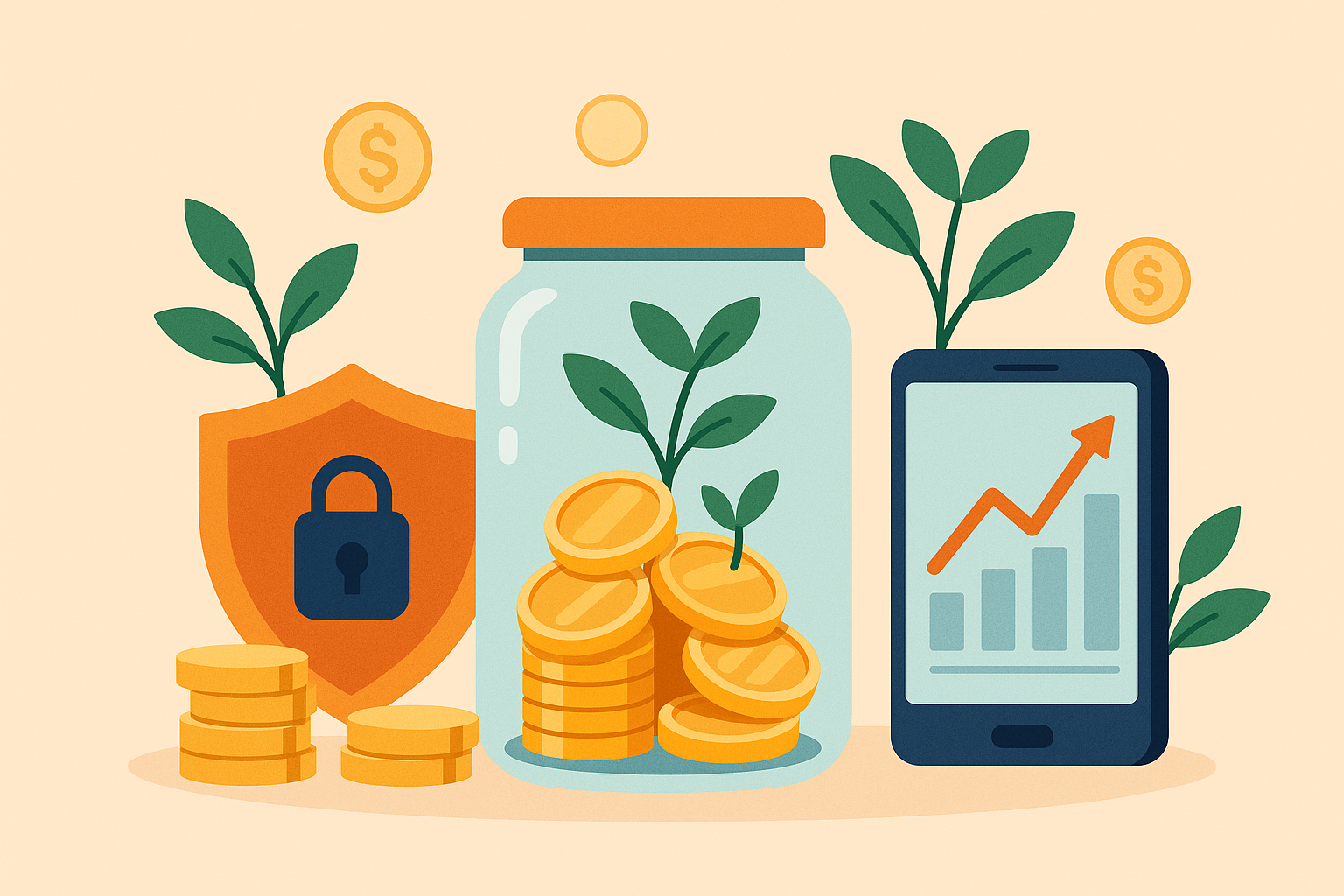
In today’s world, investing small amounts is essential for building wealth and achieving future financial goals. Many people in the Arab world mistakenly believe that investing requires large sums to start, but that’s not the case. Thanks to technology and modern digital platforms, individuals can begin their investment journey with as little as 100 riyals or even one dollar.
The financial reality in the region faces many challenges—from rising inflation to the declining value of money kept in traditional bank accounts. This makes investing not just an option, but a key strategy to protect personal wealth. By investing small amounts regularly, you tap into the power of compounding, helping your money grow steadily over time.
Can You Invest with a Small Amount? (Breaking Misconceptions)
The short answer: yes. You can absolutely invest small amounts and still aim for meaningful returns. This is often called “micro-investing,” which means investing a small sum consistently over time so it can grow. While traditional investing may require larger capital, micro-investing enables you to start with just a few dollars.
A common misconception is that investors need big money to see real results. In reality, you can build a portfolio using leftover cash or by saving a portion of your salary through digital tools—for example, automatically transferring part of your income into investment accounts instead of leaving it idle as cash.
Investment Types Suitable for Beginners
1. Mutual Funds and Exchange-Traded Funds (ETFs)
Mutual funds are a great option for beginners who want to invest small amounts. These funds pool money from many investors, and a professional manager buys a diversified mix of securities such as stocks and bonds.
Minimums are typically lower than hiring a personal advisor, and some funds have no minimum at all (though others may require US$1,000–US$3,000). Key advantages include broad diversification, professional management, and relative liquidity.
2. Fractional Share Investing
Fractional investing lets you buy a portion of a share instead of a whole share. Some investing apps purchase full shares and then split them into smaller fractions so investors can access companies they otherwise couldn’t afford.
3. Investing in Gold
Gold is considered a safe haven, especially during economic uncertainty. It’s possible to start with a modest budget—such as buying small bars from 1 gram to 5 grams—making gold accessible to many investors.
4. Fractional Real Estate
Recently, platforms in the Arab world have emerged that allow fractional real estate investing, enabling investors to buy small shares of properties. For example, some platforms offer minimums starting around US$136, while others start at about SAR 500.
Comparing Small-Amount Investment Methods: Pros and Cons
| Method | Pros | Cons | Minimum |
|---|---|---|---|
| Mutual Funds | Diversification, professional management, liquidity | Fees, less transparency | US$0–US$3,000 |
| Fractional Shares | Flexibility, access to large-cap stocks | Higher volatility | US$1 |
| Gold | Safe haven, inflation hedge | Lower long-term returns, storage costs | ~€100 |
| Fractional Real Estate | Rental income potential, diversification | Limited liquidity | ~US$136–US$500 |
Tips for Starting Small without Taking High Risks
1. Define Your Financial Goals
Before you invest small amounts, set clear goals. Are you investing for retirement, a home purchase, or an emergency fund? Clear goals help you choose the right strategy and time horizon.
2. Diversify Your Portfolio
Diversification is key to reducing risk. Spread your money across asset classes like stocks, bonds, gold, and real estate to balance risk and return.
3. Choose Trusted Platforms
Look for licensed, regulated platforms in your country. Reputable providers offer transparent fees and a safer environment for investing small amounts.
4. Start with Money You Can Afford to Lose
Never invest money you need for essential living expenses. Start small and increase gradually as your knowledge and confidence grow.
Real-World Examples from the Arab Market
Example 1: SAR 200 per Month
If you invest SAR 200 monthly in an index fund with a 7% annual return, after 10 years you could have about SAR 33,000, with total contributions of SAR 24,000.
Example 2: Fractional Real Estate
By investing SAR 500 per month in a platform offering around 8% annually, you could build a real-estate portfolio worth roughly SAR 82,000 over 10 years.
Tools and Platforms that Support Small-Amount Investing
Regional Platforms
1. Sarwa
- Minimum: from about US$1 for active trading
- Services: U.S. stocks and ETFs
- Pros: Low account minimums, professional management
- Fees: From ~0.85% annually
2. Baraka
- Minimum: Very low
- Services: U.S. stocks and ETFs
- Pros: Islamic-friendly options, dividend reinvestment
3. Stake
- Minimum: ~US$136
- Focus: Fractional real estate
- Pros: Rental income potential, periodic exit windows
4. Hosatak
- Minimum: ~SAR 500
- Focus: Crowdfunded real estate
- Pros: Returns up to ~8% annually on certain offerings, Saudi-licensed platform
Global Platforms
- Acorns: Automatically rounds up purchases and invests the difference
- Robinhood: Commission-free trading with fractional shares
- Stash: Investing from around US$5 per month
Strategies to Turn Small, Repeated Investments into Significant Compounding
1. Automatic Round-Up Strategy
Some apps link to your debit/credit card. When you make a purchase, the app rounds up to the nearest whole amount and invests the difference. For example, a US$1.50 purchase is rounded to US$2.00, and the extra 50 cents is invested.
2. Dollar-Cost Averaging (DCA)
Invest a fixed amount at regular intervals regardless of price. DCA reduces the impact of volatility and helps you build a balanced portfolio over time.
3. Automatic Reinvestment
Instead of withdrawing dividends or distributions, reinvest them automatically. This leverages compounding and accelerates portfolio growth.
Common Beginner Mistakes to Avoid
1. Emotional Investing
Avoid decisions driven by fear or greed. Stick to your long-term plan and don’t overreact to short-term volatility.
2. Lack of Diversification
Don’t put all your money into a single asset. Diversification reduces risk and can improve expected outcomes.
3. Trying to Time the Market
Buying at the very bottom and selling at the very top is nearly impossible—even for professionals. Prefer steady, regular investing.
4. Ignoring Fees and Commissions
Pay attention to fees and platform charges. These can significantly affect returns, especially for small investments.
5. No Clear Plan
Define a clear plan with goals, a time horizon, and a risk strategy. It’s critical for long-term success.
FAQ
Will I lose money when investing?
All investments involve risk, but diversification and long-term investing can help reduce the likelihood of losses. Spreading investments across assets over long periods can improve your chances of positive returns.
What’s the best investing app in the Arab world?
It depends on your needs. Some platforms focus on U.S. stocks and ETFs or offer Islamic-friendly options. For real estate, certain regional platforms provide fractional opportunities.
How do I start with just SAR 100?
Open an account with a platform that supports low minimums and begin with a small amount. Contribute regularly each month.
Is investing in gold safe?
Gold is relatively defensive and can hedge inflation, but its long-term returns may trail stocks. Consider gold as part of a diversified portfolio—not the only investment.
When should I start investing?
The best time is now. The earlier you begin, the more you can benefit from compounding—even with a small amount.
Motivational Conclusion
Investing small amounts isn’t a dream—it’s achievable with the right tools and knowledge. Today, the Arab world has platforms and apps that put investing within everyone’s reach, regardless of budget.
Remember: a journey of a thousand miles begins with a single step. Start today with a small amount, keep learning, and invest consistently. With time and patience, your small contributions can grow into real wealth that helps you reach your financial goals.
Don’t wait for perfect conditions or a large sum—start with what you have now, and let this guide be the first step toward financial independence and sustainable wealth.
Educational content only. Not financial advice. Platforms and figures are examples and may change; always check local regulations and fees.